How to research the history of your house
Every home has a story. And it always begins with a moment of curiosity.
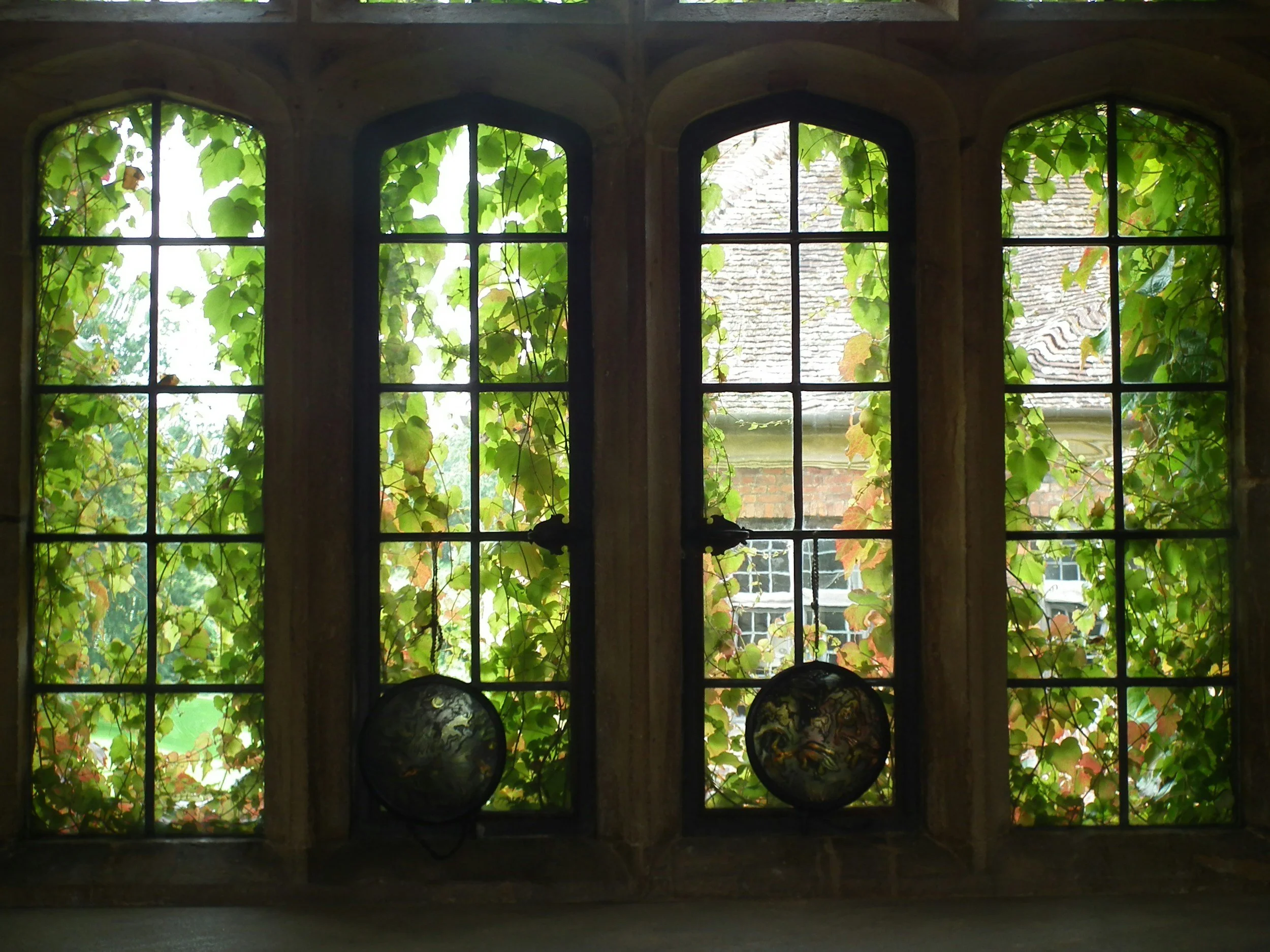
It usually starts with something small. For me, it was the date carved into a lintel above my parents front door. As a child I was fascinated about who laid that stone, then who first opened that door to bring in their belongings. Every house I’ve lived in since I’ve searched for little clues about what life was like - a repaired door, hidden coat hooks, bricked in windows (don’t get me started on my last quest to find out about my bricked in window!).
And that’s how it started.
Now, it’s easier than it ever was to find out who walked your hallway before you, what your street looked like a century ago, and how many lives have unfolded within the same four walls and I built this guide is your first step into that story, a gentle, narrative‑rich introduction to the world of house history research in the UK.
This is not the full method (that’s inside the downloadable guide where I also have a handy printable worksheet to keep all your notes in order and your rabbit holes at bay), but it will help you make that all important start.
1. Start with the clues already in your hands
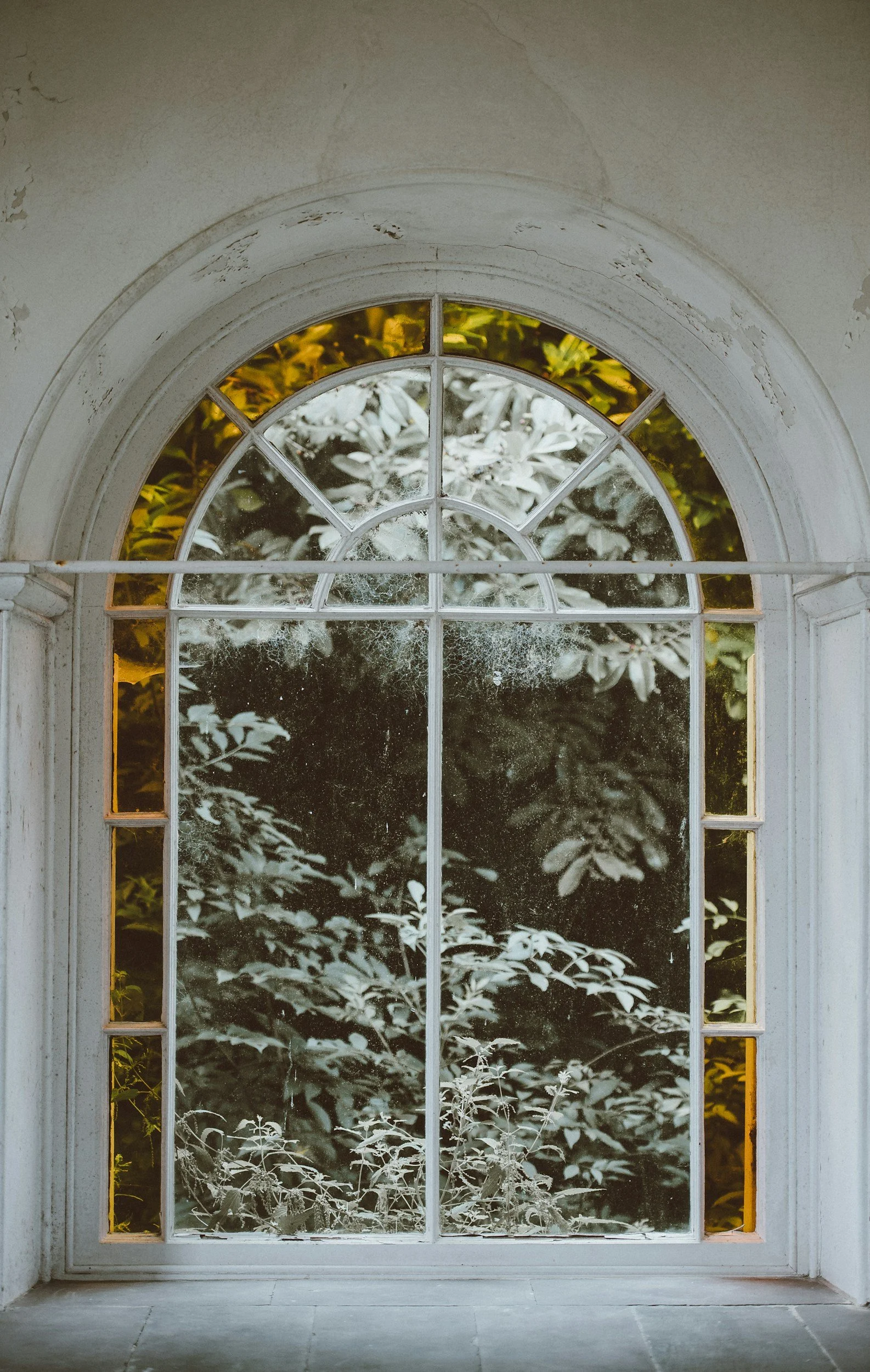
We’ll start with the house history basics - I know it sounds obvious, but take a close look at your surroundings - what looks new, and what might be original. I’ll be adding more blogs on interiors to help with this too. You may be able to figure out the positioning of rooms, where servants would have slept, original walls and the locations of fireplaces. If you know when your house was built, that’s great - if you don’t, finding this out (even the decade) will go a long way to helping with UK census research.
Then there’s the people - you may have neighbours that hold nuggets to the past, or a local historical society that can guide you in the right direction.
Top Tip: I highly recommend using Facebook to source original photos of your home - it’s been an absolute treasure trove, especially since Covid where contributors have painstakingly scanned photographs. I go more in depth into how to search Facebook in my full free downloadable guide (see link at the bottom of the page).
2. Follow the shape of the land through old maps
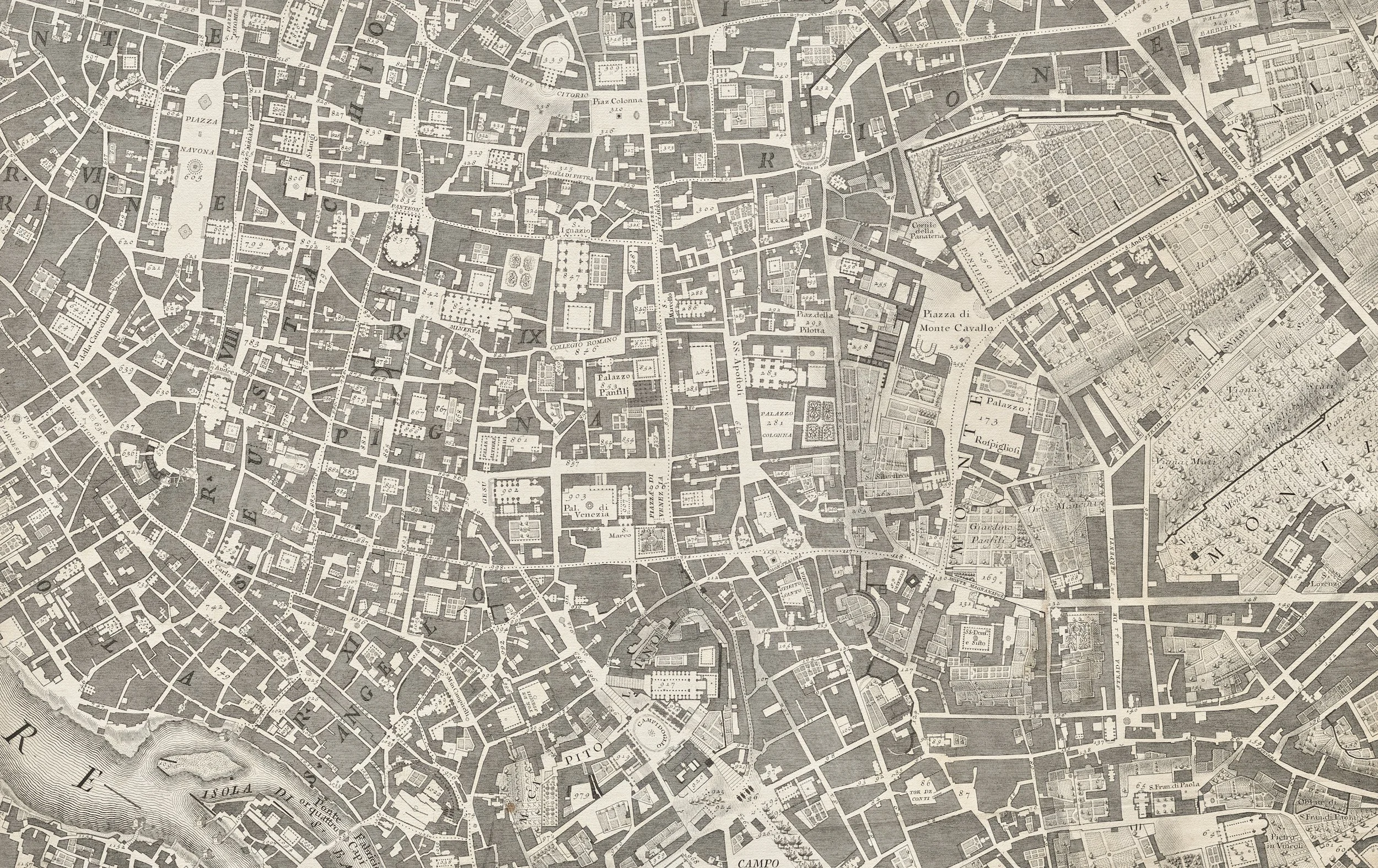
Maps are my guilty pleasure. And they’re often essential for finding out the history of your home, especially when numbering becomes problematic. Often the number of your house now was not the number when it was first built. To add to that complexity, sometimes it didn’t have a number at all!
Not only that, but old maps reveal the context of your home’s story: the world it was born into essentially. What did the landscape look like before your home was built? Who owned and farmed the fields near your home? Why did that urbanisation happen?
Top Tip: A while ago, after spending many a night comparing Google Maps and Victorian maps of my street, I found this little tool on The Genealogist which not only lets me overlay modern maps with old ones, it pinpoints the location of families, as well as their census records. It’s been a huge timesaver when uncovering the history of a home. More on exactly how to do that in my free guide.
3. Meet the people who lived there before you
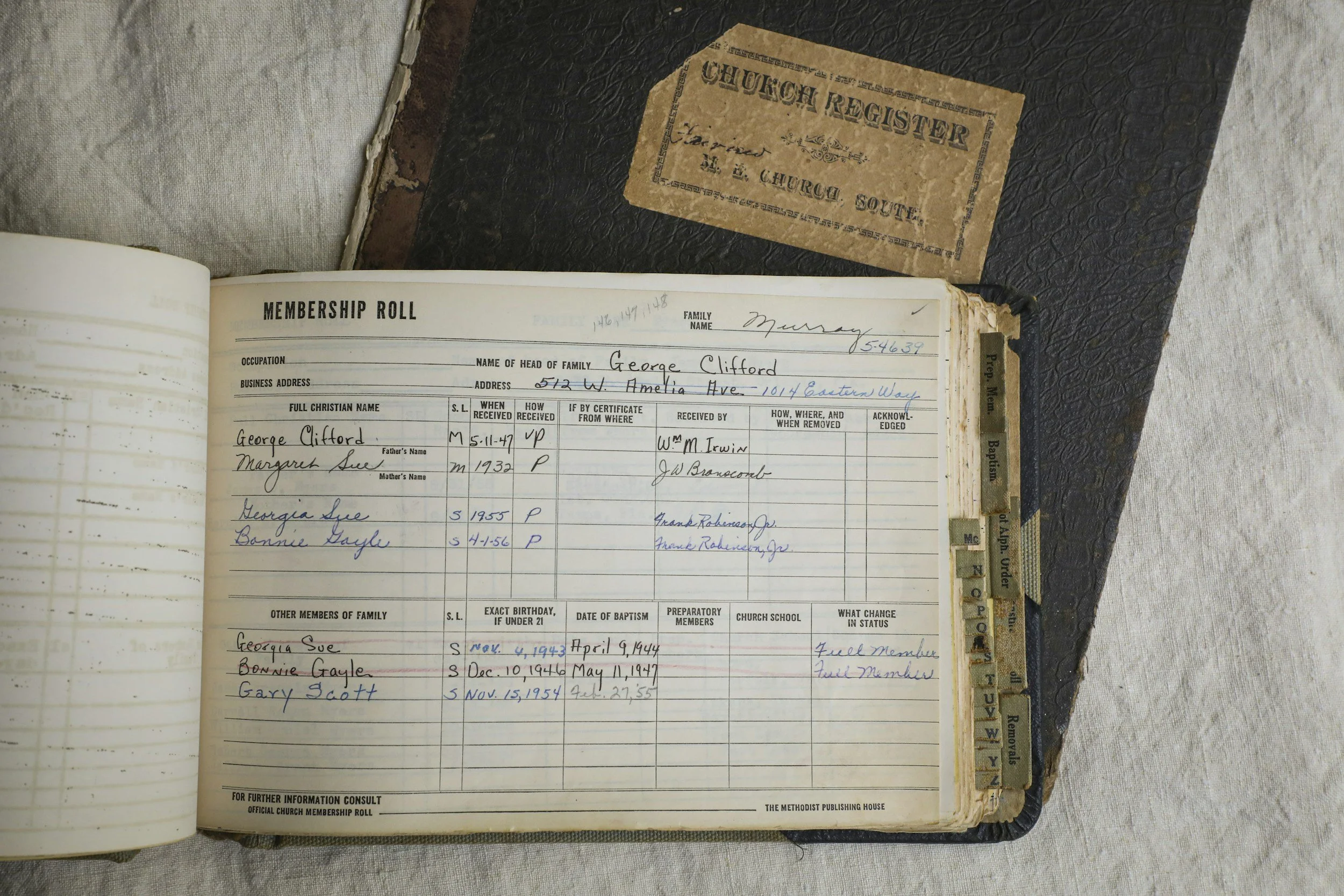
Who lived in my house before me? The census is where the story becomes human. You might find a widowed dressmaker raising three children alone. Or a family of eight sharing two rooms. Or a railway worker who moved from Scotland to London for work. Census records are where it all becomes real - but UK census research to build your own home history can be a tricky beast! Hopefully, you’ll have found clues to determine when your house was built with the maps - now it’s time to delve into the people online.
You’ll be able to find records from 1839 when they conducted the register before the WWII.
Top Tip: I find findmypast.co.uk the best place to begin. You can start with a broad address search, then use the navigation to hone it down to different UK census years to find your home history rather than the history of the people only. It’s a bit of a hack, but I’ll explain it more fully in my detailed home history guide.
4. Step inside the archives where the deeper details live
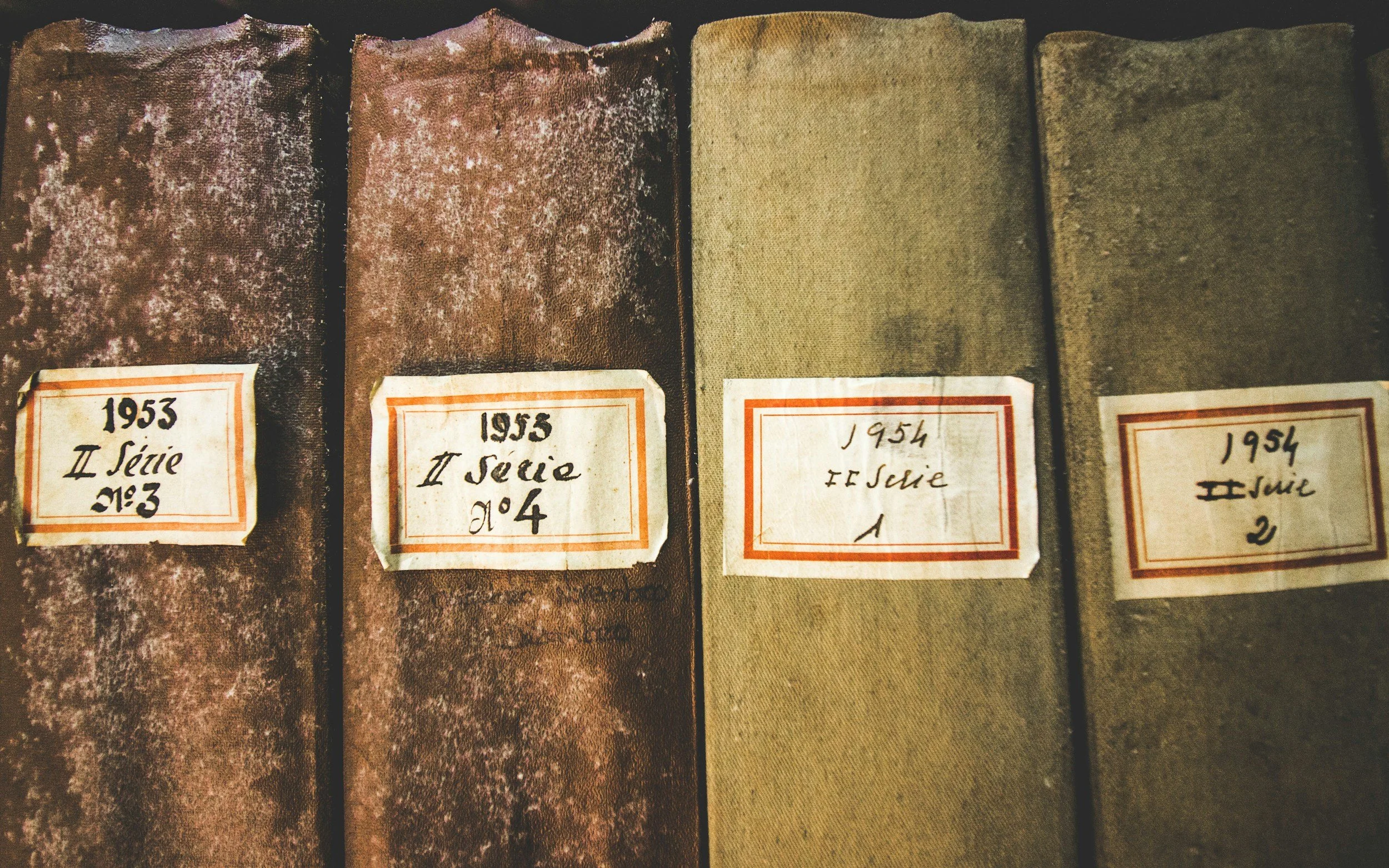
Every county archive has its own personality, but you’ll need to get ‘offline’ to discover this. If you’re serious about finding out as much as you can about the history of your home, consider visiting your local library or booking time with an archivist to ask the questions to uncover what made your house a home through history:
original building plans - research UK building plans
rate books showing early occupants
estate papers
early photographs of your street
This is where your home’s timeline begins to take shape.
Top Tip: Unless deep research and spending days with old newspapers is your thing, I would thoroughly recommend booking some time with your archivist - it’s inexpensive and will save you a lot of time when searching for the history of your home. I address the questions that are helpful to ask in another blog.
5. Begin shaping the story
Once you’ve gathered your early clues, you’ll start to see patterns. And you’ll inevitably go down rabbit holes to uncover the lives of the people who lived in your home before they got there and after they left. Try and keep a note of everything to keep you on track, and allow easy reference from one site to the other.
Top Tip: Download my free workbook to keep all your information together.
6. Show it off
I love building these historical facts into a home story. Once you’ve gathered as much as you can, use a design tool to bring it all together in a beautiful keepsake. Whether that’s a single framed house history or the full story, you’ll want to show off what you’ve found to your history loving family and friends or even give it as a gift for someone you love!
Top Tip: I love using Canva, it’s so easy to use, cost effective (they have a free plan) and you can also send your designs to be printed and framed.
Want the full guide? Simply click below.
